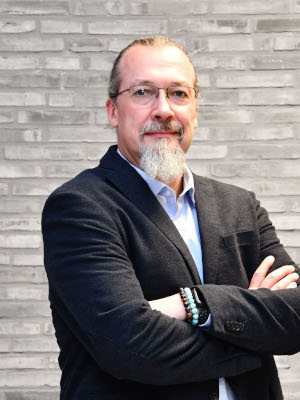
HEUDRE David

About

I am a freshwater ecologist and hydrobiologist specializing in diatom taxonomy, ecology, and bioassessment. With over 20 years of professional experience, including tenures at the French Biodiversity Office (OFB), the Regional Department for the Environment (DREAL) Grand Est and the Pasteur Institute of Lille, I have conducted approximately 2,500 diatoms, 160 aquatic plants, and 200 macroinvertebrates analyses. My work focused on the oversee of surface water quality monitoring networks enforcing the Water Framework Directive and also on bridging high-level taxonomic and ecological expertise with national environmental standards. For example, I led for over ten years the AFNOR "diatom methods" experts group working on the French standard T90-354 for sampling and analyzing benthic diatoms. My research involves describing rare or new diatom species and investigating the impact of chemical contaminants on aquatic biofilms. Beyond my laboratory and research duties, I was a national expert in sustainable natural resource management for the French Ministry of Ecological Transition. Since 2007, I have taught bioassessment and ecological diagnosis at the University of Lorraine. I also contribute to the scientific community as a board member of the French-speaking Diatomists Association (ADLaF) and as a reviewer for several international journals.

Mission

I am a PhD student within the BIODIV research group (ENVISION Unit), where I'm working on the BIOINDIC-IA project. My research focuses on advancing automated freshwater diatom analysis by integrating deep learning technologies with traditional ecological assessment methods. In my current role, my responsibilities include: (1) Datasets Development: I produce datasets that are used to train machine learning algorithms designed to automate image acquisition and the classification of freshwater benthic diatoms at the species level. (2) Benchmarking & Validation: Utilizing my extensive taxonomic expertise, I assist in benchmarking AI-driven identification models against traditional expert-based assessments to ensure scientific rigour. (3) Morphological Research & Diagnostic Innovation: In the final stages, I will try to identify and analyze machine learning-based morphological metrics capable of distinguishing between different categories of environmental pressures, to contribute to the development of next-generation biomonitoring tools that address emerging environmental challenges and anthropogenic impacts on aquatic ecosystems.

Skills and expertise

  • Diatom Taxonomy & Systematics
  • Aquatic Bioassessment and Ecological Monitoring using diatoms, aquatic plants, benthic algae and macroinvertebrates
  • Freshwater Ecology and Ecotoxicology
  • Data Analysis and Visualization
  • Laboratory Management and Quality Assurance

How can we help you?

By content type (optional)